
Ashley Zelinskie
Ejecta
Ejecta is material expelled by an eruption, impact, or explosion. In spaceflight, it appears in the combustion that propels a rocket upward and the debris released when one breaks apart. Across the universe, it takes the form of matter cast off by stars and scattered by supernovae. The title holds these meanings together: the material consequences of reaching toward the stars and the celestial processes those journeys allow us to observe.
The series draws on images of successful and failed launches by NASA, ESA, and SpaceX. Each photograph is altered through data bending, using flight trajectory and sound data from the launch itself to disrupt the image’s digital structure. The subject’s event becomes the catalyst of its own abstraction. Rocket exhaust and explosions remain recognizable, but dissolve into fields that suggest stars, galaxies, and other celestial formations. The images begin to resemble the universe that spaceflight has opened to us – a window made possible by the controlled explosions that lift our instruments beyond Earth.
Seen together, these launches also register a shift in who undertakes space exploration and how failure is understood. Publicly funded agencies operate under the weight of taxpayer accountability, political scrutiny, and exacting expectations. Disasters can cost human lives and threaten support for missions developed over decades. Private ventures have greater latitude to treat the destruction of experimental rockets as part of development, with dramatic environmental and spending implications, even as each failure accelerates learning and innovation. By including successes and failures from both sectors, Ejecta holds these competing approaches in tension, asking what progress costs, who bears that cost, and how much failure we are willing to allow.
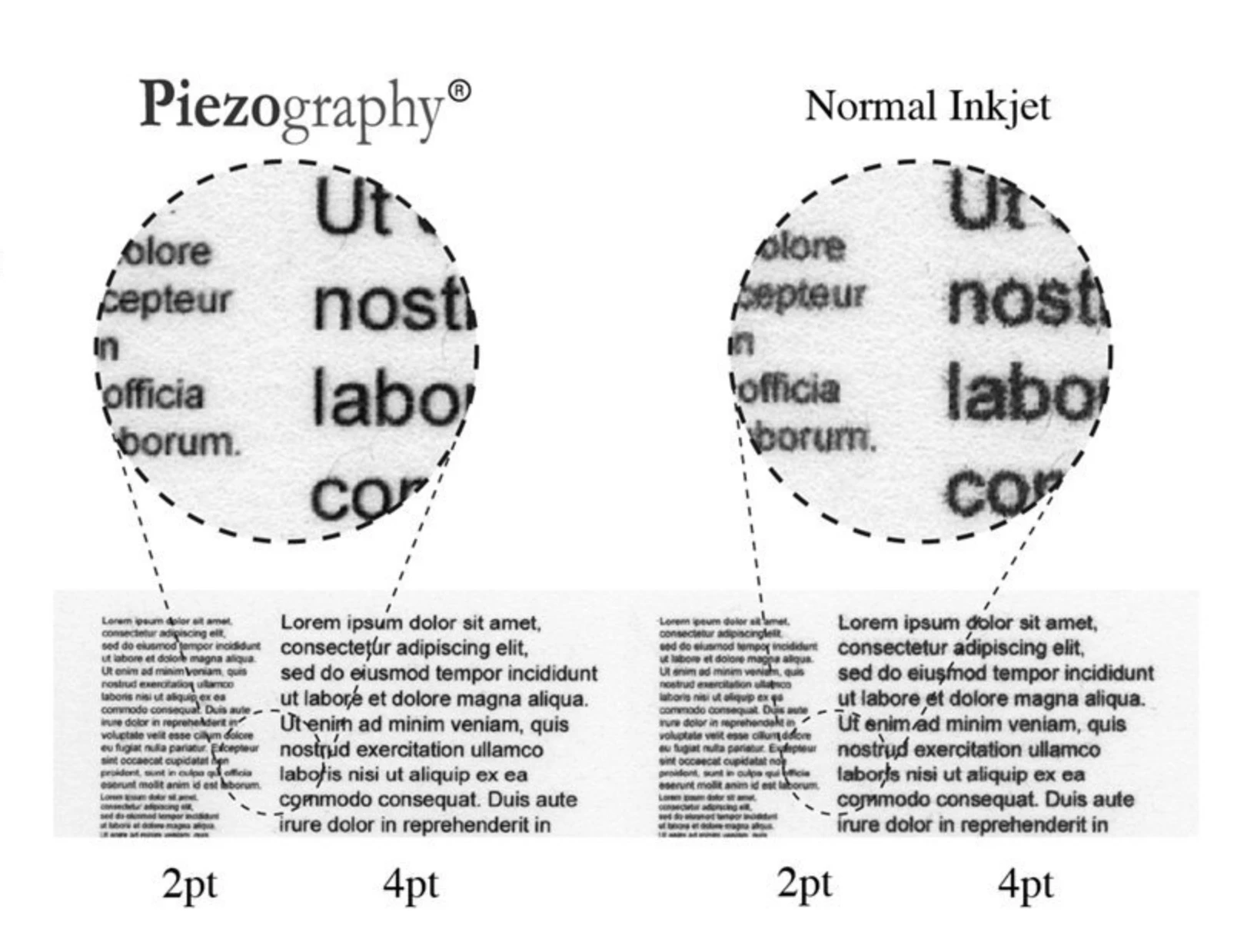
The works translate these events into finely graduated monochrome – the palette of documentation – accompanied by textures that suggest the unseen energies and distant celestial phenomena around each true scene. Printed using Piezography and carbon black inks, each work is signed with the dust of a SpaceX heat shield tile, with two prints covered all-over with that microscopic debris recovered from the particular launch depicted. Echoing the surface treatment of Andy Warhol’s diamond dust prints, these images gain the unascertainable value of the ejecta material they depict.
Unique artworks printed in Piezography™ and hand signed in Starship dust.
This printing technique produces the finest and broadest dynamic range of black-and-white imagery of any technique, including traditional methods like platinum-palladium. Developed by master printer Jon Cone, it replaces a modern pigment printing system with 12 grades of grays and carbon black, producing incredible depth, nuance, archivability, and deep deep blacks. Each piece in this series is a one-of-a-kind artwork, float framed in hardwood and signed on the frontside, along with the matching digital artwork NFT.
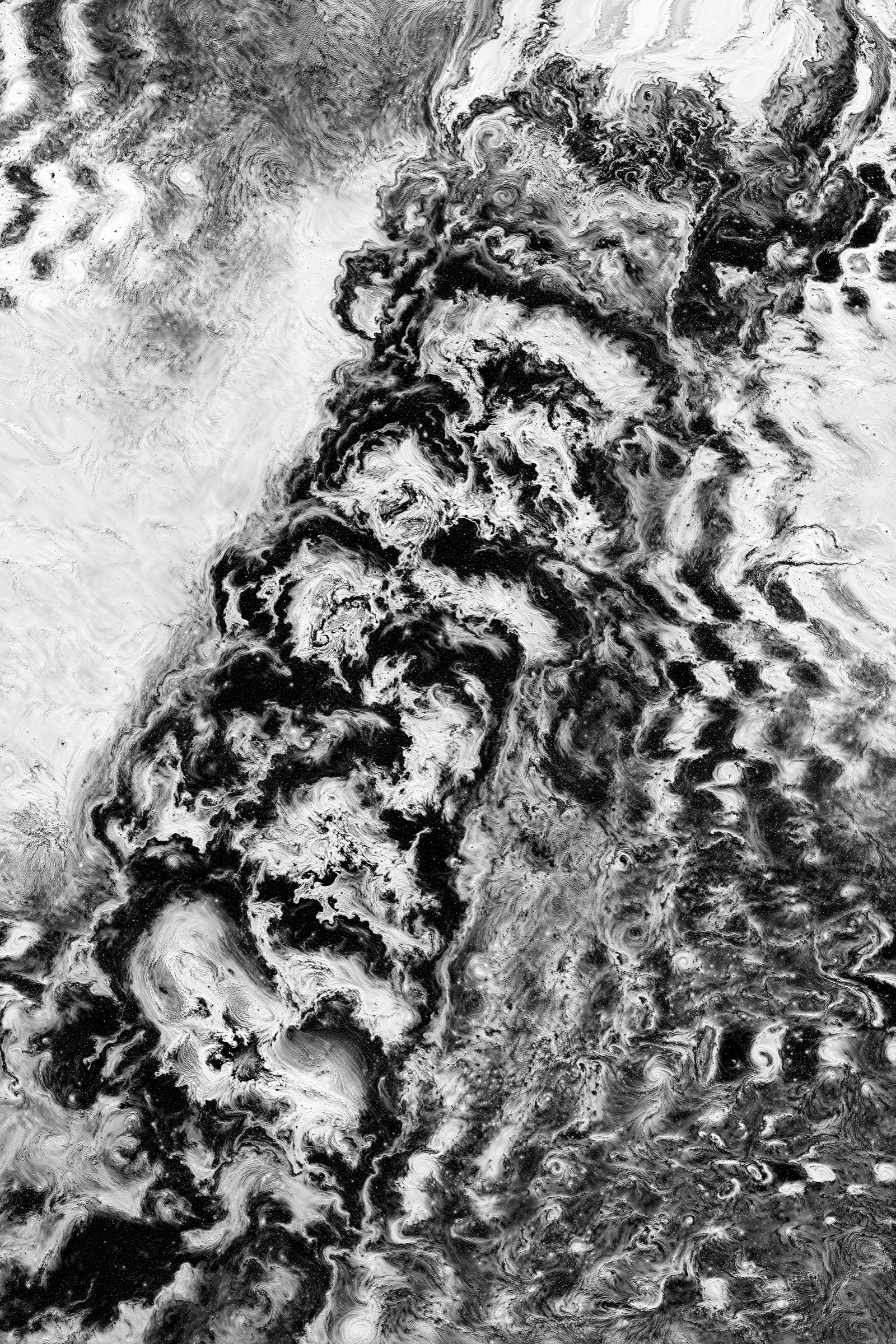
Ariane 5 Flight 501
Unique archival carbon Piezography print (+AP), mounted in white float frame, signed in heat-shield dust
66 × 43.5 in
Digital artwork with Ethereum token
The European Space Agency’s first Ariane 5 flight failed shortly after liftoff in 1996 because of a software error. This broken code is the source for the data bending that alters the image of the original launch photograph.
Ariane 5 Flight 501


Ashley Zelinskie
The Weight of Space

Opens Nov 20 – Jan 15
300 Broome Street, New York